



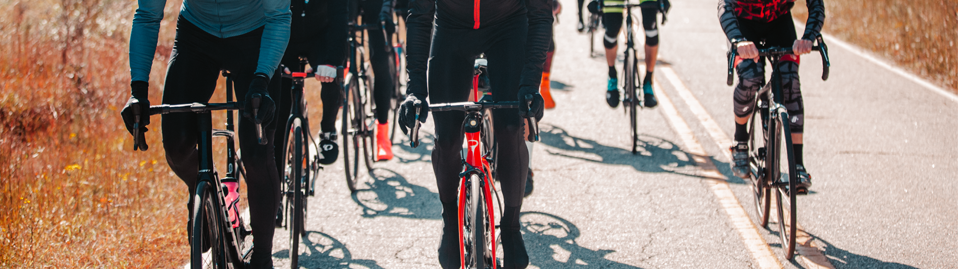














Cycling doesn’t stop when the weather changes, and neither should your training. From freezing winter base miles to humid summer centuries, the right kit isn’t just about comfort. It’s about protecting your body, regulating temperature, and maintaining performance in any condition.
Dressing properly for the ride ahead can mean the difference between cutting a session short and finishing strong. With smart layering and purpose-built cycling apparel, you can ride confidently year-round, whether it’s 30 degrees, 90 degrees, windy, wet, or somewhere in between.
In this guide, we’ll break down exactly what to wear for cycling across different temperature ranges and weather conditions so you can stay comfortable, protected, and focused on the miles ahead.
The Foundation: How to Layer for Cycling
Before diving into specific temperatures, it helps to understand the three-layer system most experienced riders rely on:
- Base layer: Manages moisture and regulates body temperature.
- Insulating layer: Retains heat in cooler conditions.
-
Outer layer (shell): Protects against wind, rain, and changing elements.
The goal isn’t to overdress — it’s to balance warmth, breathability, and protection so your body can perform efficiently.
What to wear for cycling in 30-degree weather
When cycling in 30 degrees or below-freezing conditions, protecting your core and extremities is critical. Cold air at speed amplifies heat loss, so proper layering and wind protection are essential. At the same time, avoid overdressing as trapped sweat can make you colder over time.
What to wear:
- Base layer: Thermal, breathable, moisture-wicking base layer (merino or brushed synthetic) to retain warmth while managing sweat
- Mid layer: Insulated, long-sleeve jersey with snug wrist cuffs to keep the cold out
- Outer layer: Windproof, lightly insulated cycling jacket to protect against the elements
- Bib tights: Thermal bib tights to keep your legs and core warm
- Accessories: Insulated full-finger gloves, shoe covers, wool socks, balaclava, neck gaiter
Our recommended products:
What to wear for cycling in 40-degree weather
At 40 degrees, focus on layering warm and breathable cycling apparel. With the proper kit, you might feel a bit chilly at the start of your ride. As your body warms up, breathable layers help you reach a sustainable temperature without overheating.
What to wear:
- Base layer: Thermal, breathable, moisture-wicking base layer (merino or brushed synthetic) to retain warmth
- Mid layer: Long-sleeve thermal jersey for insulation
- Outer layer: Windproof vest or lightweight jacket to block wind chill while allowing ventilation
- Bib tights: Thermal bib tights to keep your legs and core warm
- Accessories: Full-finger gloves, toe covers, midweight socks, headband or cycling cap, neck gaiter
Our recommended products:
- PowerCore Merino Short Sleeve Baselayer
- Men’s Alsace Jacket and Women’s Alsace Jacket
- Power Merino Wool Sock
What to wear for cycling in 50-degree weather
Cycling in 50 degrees often means variable conditions, cool at the start, comfortable mid-ride, and possibly breezy on descents. The key is versatility.
What to wear:
- Base layer: Lightweight or midweight moisture-wicking base layer to regulate temperature
- Mid layer: Long-sleeve lightweight or thermal jersey, depending on wind
- Outer layer: Optional wind vest or light jacket that can be easily removed mid-ride
- Bib tights: Bib tights or bib shorts paired with knee or leg warmers
- Accessories: Arm or leg warmers, light full-finger gloves, midweight cycling socks, headband or cycling cap, neck gaiter
Our recommended products:
What to wear for cycling in 60-degree weather
When cycling in 60-degree weather, wearing and packing layers is crucial to maintain comfort and performance. Once milder temperatures hit, riders might also have different preferences. Some riders opt for short sleeves; others prefer lightweight long sleeves for wind or sun protection.
What to wear:
- Base layer: Lightweight, breathable base layer to wick sweat
- Mid layer: Short-sleeve or lightweight long-sleeve jersey, depending on sun and wind conditions
- Outer layer: Optional light jacket or wind vest for cool early mornings or windy descents
- Bib shorts/tights: Bib shorts or lightweight tights based on personal preference
- Accessories: Arm warmers, fingerless gloves or light full-finger gloves, lightweight socks
Our recommended products:
- Men’s Gravity Zero Long Sleeve Jersey and Women’s Gravity Zero Long Sleeve Jersey
- Men’s Lightweight Vest and Women’s Lightweight Vest
- Men’s Lightweight Jacket and Women’s Lightweight Jacket
What to wear for cycling in 70-degree weather
At 70 degrees, focus shifts from warmth to efficiency and airflow. Breathability and freedom of movement become priorities.
What to wear:
- Base layer: Mesh base layer to enhance airflow and wick moisture
- Mid layer: Short-sleeve jersey with ventilation panels for cooling
- Outer layer: Typically not needed unless riding in windy conditions
- Bib shorts: Performance bib shorts designed for comfort and long hours in the saddle
- Accessories: Fingerless gloves, sunglasses, and lightweight socks
Our recommended products:
- Men’s Axis Club Short Sleeve Jersey and Women’s Axis Club Short Sleeve Jersey
- Men’s Essential Bib and Women’s Essential Bib
- Power Sock
What to wear for cycling in 80-degree weather
Heat management becomes critical in 80-degree conditions. Lightweight fabrics and ventilated apparel help prevent overheating during long or high-effort rides.
What to wear:
- Base layer: Mesh or cooling base layer to wick sweat
- Outer layer: Lightweight, short-sleeve jersey with ventilation and full length zipper
- Bib shorts: Breathable bib shorts with mesh straps and moisture-wicking chamois
- Accessories: UV-protective arm sleeves, fingerless gloves, sweat-wicking headband or cap, lightweight socks
Our recommended products:
- Men’s Sleeveless Baselayer and Women’s Sleeveless Baselayer
- Men's Gravity Zero No Sub Bib and Women’s Gravity Zero No Sub Bib
- Short Finger Glove
What to wear for cycling in 90-degree weather
When temperatures reach 90 degrees, heat management and sun protection are essential for both comfort and safety on the bike. Your kit should help your body stay cool while shielding your skin from prolonged sun exposure and UV rays.
What to wear:
- Base layer: Optional light mesh sleeveless base layer
- Outer layer: Ultra-light, highly breathable jersey with UV protection
- Bib shorts: Lightweight, compressive bib shorts with moisture-wicking chamois
- Accessories: Cooling arm sleeves, fingerless gloves, breathable cycling cap, lightweight socks
Our recommended products:
- Men’s Velocity Short Sleeve Jersey and Women’s Velocity Short Sleeve Jersey
- Men’s Momentum Bib and Women’s Momentum Bib
- Cycling cap
|
Temperature Range |
Recommended Cycling Apparel |
Recommended Cycling Accessories |
|
30-40 degrees |
Thermal base layer, insulated long-sleeve jersey, windproof jacket, thermal bib tights |
Full-finger gloves, shoe covers, wool socks, balaclava, neck gaiter |
|
40-50 degrees |
Thermal base layer, insulated long-sleeve jersey, windproof vest or jacket, thermal bib tights |
Full-finger gloves, toe covers, midweight socks, headband or cycling cap, neck gaiter |
|
50-60 degrees |
Lightweight or mid-weight base layer, long-sleeve lightweight or thermal jersey, optional wind vest or light jacket, bib tights or bib shorts |
Arm or leg warmers, light full-finger gloves, midweight cycling socks, headband or cycling cap, neck gaiter |
|
60-70 degrees |
Lightweight base layer, short-sleeve or lightweight long-sleeve jersey, optional wind vest or light jacket, bib shorts or lightweight tights |
Arm warmers, fingerless gloves or light full-finger gloves, lightweight socks |
|
70-80 degrees |
Mesh base layer, short-sleeve jersey, bib shorts |
Fingerless gloves, lightweight socks |
|
80-90 degrees |
Mesh base layer, lightweight short-sleeve jersey, bib shorts |
UV-protective arm sleeves, fingerless gloves, sweat-wicking headband or cap, lightweight socks |
|
90+ degrees |
Optional mesh base layer, ultra-light short-sleeve jersey, lightweight bib shorts |
Cooling arm sleeves, fingerless gloves, breathable cycling cap, lightweight socks |
How to dress for cycling in the elements
Weather conditions can impact your ride just as much as extreme temperatures do. After all, 60 degrees in the sun can feel a lot different than 60 degrees in the rain and wind.
To help you stay ready to ride, we’re serving up helpful tips and apparel recommendations for cycling in the elements.
Cold wind
Cold winds can make even mild temperatures feel brutal, especially at speed on a bike. Use these tips to help block wind and keep your core warm:
- Choose windproof materials: Look for jackets or vests with wind-blocking panels on the chest and arms, where wind chill hits hardest.
- Protect your neck: Add a neck gaiter or buff to keep cold air from hitting your neck and entering the top of your jersey or jacket. You can also pull it up over your mouth on fast descents.
- Layer for flexibility: Opt for multiple thin layers as opposed to one or two bulky layers so you can add or remove garments as needed.
Rain
Rain can quickly complicate rides, leading to slick roads, damp clothes, and chafing. Stay dry and warm when cycling in rain with these tips:
- Cover up with waterproof shells: Find a lightweight, breathable rain jacket or shell to repel water; make sure it’s breathable to prevent sweating.
- Add shoe covers: Keep your feet warm and dry from precipitation and road spray with waterproof shoe covers.
- Wear a brimmed cap: Add a brimmed cap under your helmet to stop water from getting in your eyes and blurring your vision.
Humidity
High humidity makes it harder for sweat to evaporate, which can leave you feeling hotter and more fatigued even in mild temperatures. Use these best practices to maximize airflow and breathability:
- Choose moisture-wicking materials: Lightweight, technical fabrics pull sweat off your skin to help regulate body temperature and keep you dry.
- Wear vented jerseys: Find jerseys with mesh panels and front zips to help heat and moisture escape.
- Remember to hydrate: A cycling rule of thumb is to drink before you’re thirsty, especially in humid climates. Sip consistently to replenish electrolytes and stay hydrated.
Dry heat
Cycling safely in hot, dry conditions isn’t just about wearing short sleeves and drinking electrolytes. It is also important to protect your skin and increase airflow with these tips:
- Use UV protection: Choose jerseys and arm sleeves with built-in UV protection, and frequently apply sunscreen to exposed skin.
- Opt for lightweight fabrics: Select thin, breathable materials in lighter colors to improve airflow and reflect the sun.
- Help yourself stay cool: Time rides for early morning or evening when possible, and wet your arm sleeves, neck gaiter, or cycling cap to keep yourself cool.
FAQs
How do I avoid overheating on cool mornings?
Start your ride off slightly cool so your body can warm up as you cycle. Wear a light base layer and short-sleeve jersey as a foundation, and add easily removable layers like vests and arm warmers. Avoid heavy jackets made of non-breathable materials, as they can cause overheating and trap sweat.
What’s the best way to layer cycling clothes for wet rides?
Use three layers for wet rides: a moisture-wicking base layer, an insulated but lightweight jersey, and breathable, waterproof shell. Opt for fabrics like merino wool that stay warm when damp and dry quickly.
Are arm and leg warmers better than full cycling tights?
Arm and leg warms offer flexibility for changing weather conditions, since they’re easier to add and remove than cycling tights. For example, you can start with arm and leg warmers on a cold morning and stash them away when the temperature rises. Cycling tights, on the other hand, might be better for consistently cold and windy rides.
Is 40 degrees too cold to bike outside?
Many cyclists can comfortably ride in 40 degrees with the right apparel and gear. Regulate your body temperature with a thermal base layer, insulated long-sleeve jersey, windproof vest or jacket, and thermal bib tights. Add full-finger gloves, toe covers, wool socks, and a balaclava or neck gaiter to protect your extremities. Still, remember that temperature isn’t the only measure of riding conditions; gauge wind chill and precipitation before deciding whether to venture out.
Be ready to ride in any weather
You don’t have to wait for the perfect sunny, 70-degree afternoon to hop on your bike and get in a good ride. It’s possible to cycle safely and comfortably in many different conditions, as long as you have the right apparel, gear, and tips to guide you.
Build a kit that works as hard as you do. Explore Hincapie’s wide range of cycling apparel for men and women—engineered to keep you comfortable, protected, and ready for every mile.