

















Winter weather doesn’t have to stop you from getting out on your bike and hitting your fitness goals. Yes, bitter winds and frigid temperatures can make cycling more challenging. But the good news is that there’s plenty of cold-weather cycling clothes and gear that you can use to stay warm, safe, and dry.
In fact, winter cycling provides a great opportunity to take in stunning seasonal scenery, test your limits, and train for those lovely warmer months. You just need the right gear to enjoy your time outside.
So, whether you’re gearing up for your first chilly ride or looking to update your thermal kit, this guide can help.
We’ll highlight must-have winter cycling gear, tips to winterize your bicycle, and tools to build your own custom kit for cold-weather riding.
Hincapie winter cycling apparel top picks
- Baselayer: PowerCore Merino Long Sleeve Baselayer
- Bib tights: Alsace Bib Tights
- Long-sleeve jersey: Thermal Long Sleeve Jersey
- Jacket: Ringer Thermal Jacket
- Vest: Windtex Vest
- Gloves: Merino Wool Gloves
- Socks: Power Merino Wool Socks
- Leg warmers: Arenberg Leg Warmers
- Balaclava: Arenberg Balaclava
10 must-have items for your winter cycling kit
First, let’s build your “go” bag of essential winter cycling clothes and accessories:

1. Base layer
Start with a base layer that keeps you insulated while wicking away moisture from your skin. Our PowerCore Merino Long Sleeve Baselayer does just that—wicking moisture so well that it’s naturally antibacterial. This wool and polyester baselayer is also breathable so you barely notice you’re wearing it, but it makes a world of difference in regulating your core temperature.
Want this foundational layer to feel just right against your skin? Build a custom baselayer that keeps you comfortable on any winter ride.
Learn more: How to Buy a Cycling Base Layer: Size, Fit, and Style Guide.

2. Bib tights
Keep your legs and core warm with insulated, moisture-wicking bib tights. Our Alsace Bib Tights are crafted to provide support for those cold and wet winter climbs. They also include a 4-8-hour chamois, providing extra comfort and cushion to keep you going on long rides—no matter the weather.
Learn more: How to Buy Cycling Tights: Sizing, Fit, and Style Guide

3. Long-sleeve cycling jersey
A long sleeve cycling jersey is a must to keep cold wind out, improve breathability, and regulate your core temperature. Our Men's Thermal Long Sleeve Jersey is the perfect heavyweight option, complete with insulated fabric, a soft-brushed inner layer, and snug wrist cuffs to protect your skin from the bitter cold.
Want to show off your unique style on those winter rides? Build a custom thermal long sleeve jersey that’s tailored to your aesthetic.

4. Cycling jacket
For some winter rides, a long-sleeve jersey isn’t enough to brave the cold. You might also need an insulated cycling jacket for extra protection against the wind and lower temperatures. That’s where the Men’s Ringer Thermal Jacket comes in—complete with reflective seam tape for higher visibility on those gloomy winter days or dark nights.
Still looking for your perfect top layer? Create a custom cycling jacket to keep you warm and dry on your chilliest rides.

5. Vest
A cycling vest is one of the most versatile pieces of kit, but it’s easy to overlook. You can layer it over your long-sleeve jersey for some extra wind protection or put it under your cycling jacket to help keep your core insulated. Our Windtex Vest, for instance, is lightweight and easily packable, so you can take it on and off as needed and adjust your layers to stay comfortable. It’s also equipped with a high collar to shield your neck from the cold.
Looking for more options? Personalize your most flexible piece of cycling kit: Build a custom thermal vest for any season.
6. Gloves
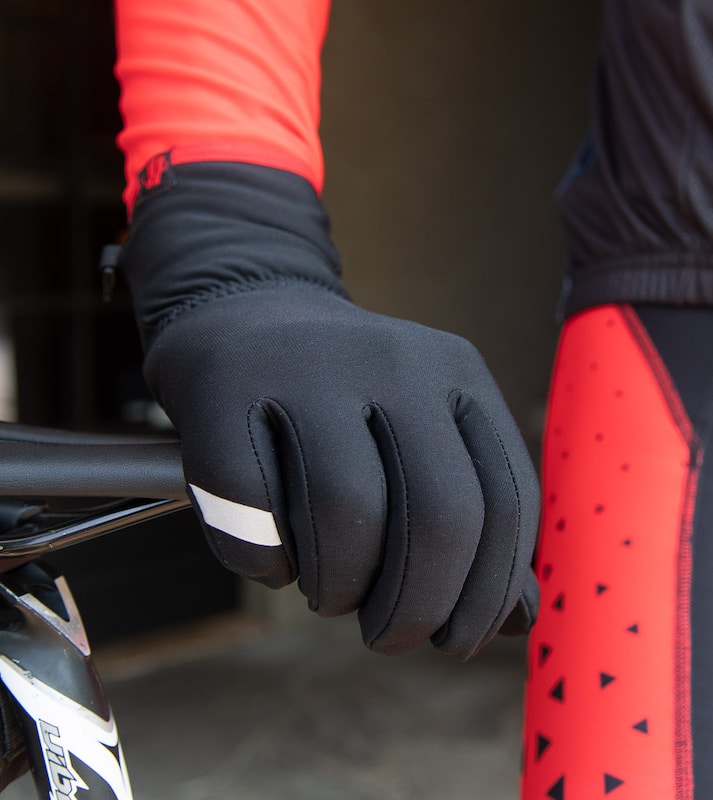
Cold weather can make it difficult to steer your bike—especially if your hands start to go numb—so cycling gloves are crucial. Our Merino Wool Gloves are made from thermal fleece to keep your fingers dry, protected, and insulated, while still allowing you to control your handlebars with a firm grip. They also include SmartTouch fingertips so you can easily use your devices without exposing your hands to the cold.

7. Socks
It might be tempting to gear up in fluffy cotton booties for the winter. But cold-weather cycling socks should still be thin and moisture-wicking to prevent itching and protect you from the cold. Our Power Merino Wool Socks offer the perfect combination of comfort and style with a six-inch cuff that stretches up to your ankle.
8. Leg, knee, and arm warmers
If you’re not ready for full-length bib tights or long-sleever cycling jerseys, you can always supplement your short-sleeve pieces with leg warmers, knee warmers, and arm warmers. They also give you options, since you can easily add or remove layers as your temperature and comfort level shifts. That’s why our Arenberg Leg Warmers include zippers for easy removal and grippers so they don’t slide while you ride.
If you’re planning a charity event or outfitting a club team, custom thermal leg warmers also make a great giveaway and creative canvas to show off your brand.
9. Headgear
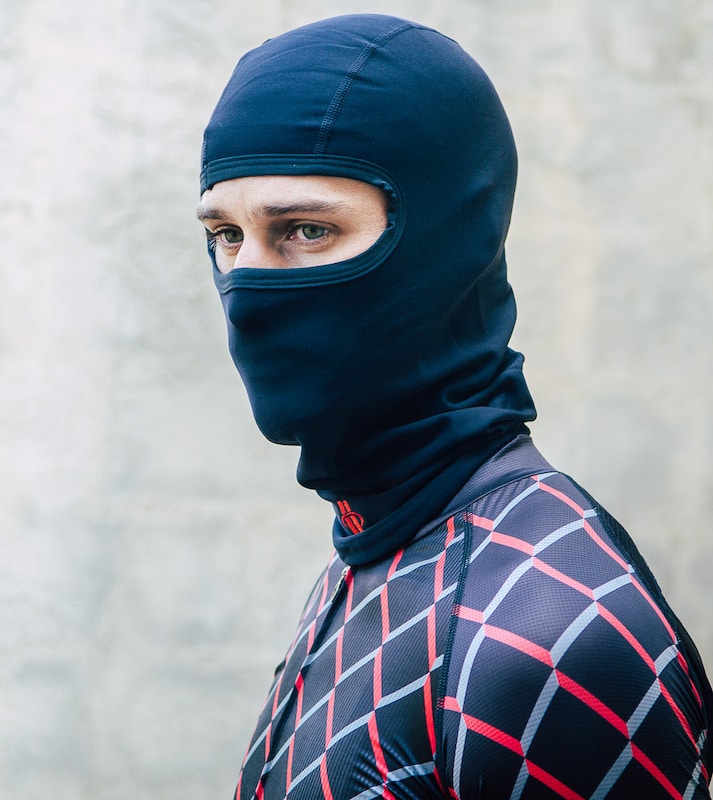
Cover your head, face, and neck with cycling headgear that fits comfortably under your helmet. Our thermal fleece Arenberg Balaclava, for example, is insulating but moisture-wicking so you don’t sweat under this extra layer of protection. You might also opt for the Power Merino Neck Gaiter—or a custom neck buff of your own design—to pull over your face or head as needed on your ride.

10. Cycling shoe covers
In addition to wool socks, you might slip on cycling shoe covers to shield your feet and cycling shoes from the elements. Hincapie makes it easy to create your own custom thermal shoe covers that wick away moisture and insulate your feet, so you can keep on pedaling.
What are the biggest challenges of cycling in cold weather?
Cycling in the winter requires a bit more preparation than cycling in the warmer seasons. It’s important to be prepared for cold-weather challenges like:
- Reduced blood flow: In cold conditions, blood flows to your core to keep your body warm, which can cause muscle tightness and numb extremities.
- Temperature control: You don’t just have to worry about staying warm and avoiding frostbite. You can also overheat in cold weather. Too many insulated layers can cause sweating, which can make it difficult to regulate your body temperature.
- Road hazards: Winter can bring snow, sleet, rain, and other obstacles, which can make riding dangerous without the right preparation and focus. Inclement weather can also lead to road closures and detours that can impact your route.
- Energy regulation: Because your body works harder to stay warm, you burn more calories cycling in the cold. So fuel accordingly before, during, and after your rides.
Cold-weather cycling gear to winterize your bicycle
Cyclists who train consistently through winter may choose to purchase a winter-weather bike just for the season, but any bike can be adapted for winter riding.
To winterize your bicycle for cold weather, you’ll need:
- Lights: Add helmet lights and bike headlights to remain in sight and improve your own visibility. Save the brightest light for the rear of your bike so that people can see you even when you might not be able to see them.
- Mudguards: Install mudguards to protect your bike, legs, and feet from getting sprayed with water or snow in freezing temperatures.
- Anti-rust spray: Apply anti-rust spray to your chain once you’ve wiped and dried your bike, preventing corrosion and maintaining lubrication.
- Studded tires: Switch to studded tires if you’re riding in harsh winter weather for better traction on snowy and icy roads.
When is it too cold to cycle outside?
Without proper winter riding gear, cycling outside becomes uncomfortable or unsafe below 32°F (0°C). But with the right clothing and winter-ready bike equipment (insulated layers, wind protection, winter tires, and reliable braking), what’s “too cold” is highly individual. Some cyclists ride comfortably in freezing temperatures, while others prefer to ride indoors once it drops below 40°F (4°C).
Ultimately, the cold cutoff depends on personal tolerance, clothing, wind chill, and road conditions. Wind can make temperatures feel significantly colder, and ice or snow can quickly turn a ride unsafe, even if the air temperature itself feels manageable.
Is cycling in winter weather safe?
Cycling in winter weather can be safe with the proper gear, bike maintenance, and preparation. It’s crucial to dress in cold-weather clothes to regulate your body temperature and protect yourself from the elements. It’s also important to winterize your bike for inclement conditions, improving visibility and traction.
Still, cold-weather riding isn’t for everyone. If you find yourself uncomfortable riding outdoors in the winter or worried about external factors like heavy traffic, snow, and ice, you can always opt for an indoor trainer.
How to stay warm when cycling in winter
When choosing winter cycling clothes, the goal isn’t to be warm and cozy; it’s to maintain cool comfort. In fact, when you start out, you should feel a little chilly. But with the right kit, you’ll warm up to a comfortable temperature as you ride and avoid overheating and sweating.
That’s where these tips can help:
- Use light layers: Proper winter-weather cycling gear is snug, thin, and made to improve your performance. It’s not bulky and heavy. So choose just a few high-quality essentials: a base layer should keep you dry; mid layers should keep you insulated; and outer layers should protect you from the elements.
- Make sure you’re fully covered: Keep your head, core, hands, and feet covered to help regulate your body temperature and prevent frostbite and numbness. Do not layer your socks, however. Layered socks only increase the chances of numb feet.
- Choose wind- and water-resistant clothes: Choose cycling garments that block out wind and water but are still breathable. Many times, waterproof clothes have pores that are close together, which can prevent airflow.
11 tips for cold-weather cycling
Once you have your clothes and gear ready, follow these helpful tips to stay safe and make the most of every cold-weather ride:
- Use low tire pressure. Lower your tire pressure to increase traction and contact with the road. Also, remember to check your tire pressure regularly. Tires lose pressure faster in cold weather, so it’s a good idea to check them before each ride.
- Have an extra cycling shell handy. Cycling shells go over any type of apparel and can easily be removed and stuffed in a pocket or pouch when you get too warm.
- Start slow. Don’t expect or even try to perform as well as you do in the summer, at least at first. Take your time getting used to the change in scenery and climate, and decide what type of riding feels best for the conditions.
- Keep a warm, insulated water bottle in your bottle cage. This will help prevent your drivetrain from rusting and warm you up inside if you decide to take a drink.
- Ride away from the curb. Frozen snow can pile up on street curbs, creating cycling hazards. If traffic allows, stay in the middle of the far right lane to remain visible.
- Keep your bike warm and dry. Wipe down the drivetrain after each ride and store your bike indoors if possible. If you must keep it outside, don’t forget to cover it.
- Wear sunglasses. Even in winter, the sun still shines. UV rays can also reflect off of bright, white snow, creating a glare. So wear sunglasses to improve visibility and protect your eyes. Find your perfect pair with our Cycling Sunglasses Buyer’s Guide.
- Eat before you leave. Cycling in cold weather burns lots of calories, so make sure you have enough fuel to head out on your ride. Pack snacks in your pockets to replenish your supply of energy on longer trips.
- Stay hydrated. Unfortunately, wetter weather doesn’t keep you hydrated. With the right layers, you may not sweat as much as you would in the summer, but it’s still important to pack bottles and stay hydrated.
- Stop for a warm break on longer rides. If you’re in it for the long haul, eventually your fingers, toes, and nose may start to go numb with cold. So plan a place to stop on your route. Take a break, have a snack, and get warm before starting up again.
- Be alert and relax. Stay alert to stay safe. Don’t let your mind wander and start cycling in auto-pilot. At the same time, be sure to relax and enjoy your winter ride.
Build your own custom winter cycling kit
Create a customized Hincapie cycling kit to enjoy your winter rides in comfort and style. Whether you’re designing uniforms for a cycling club, ordering branded apparel for an event, or displaying sponsors for a charity ride, Hincapie makes it easy to show off your unique style and tailor gear to your needs.
For those cold winter rides, start with our Element Collection, including thermal jackets, long-sleeve jerseys, and vests professionally crafted for bracing frigid temperatures. Or, if you’re dreaming of those long summer trips on the bike, browse our custom catalog of apparel and cycling accessories for every type of rider—and all kinds of weather.
You might also like:

